
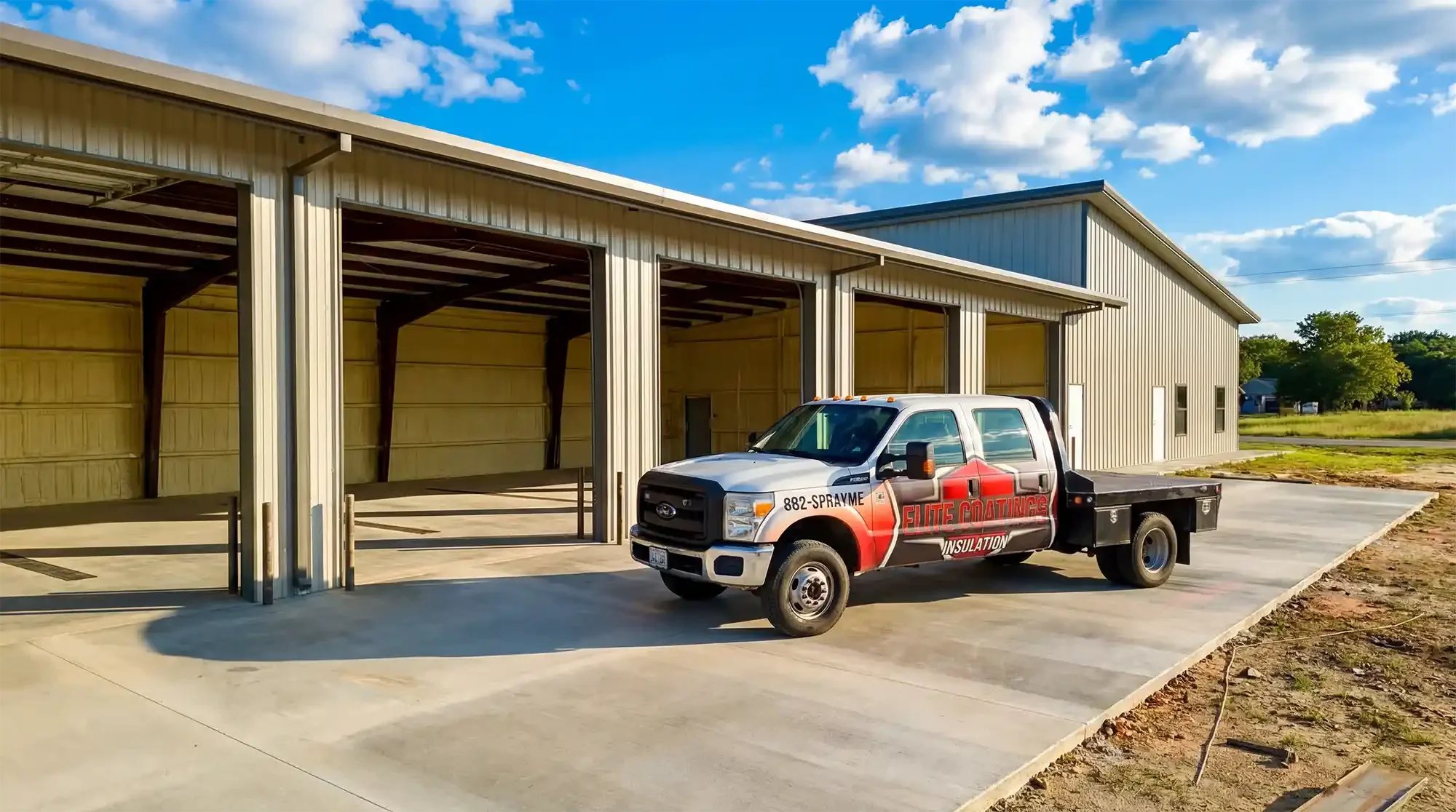
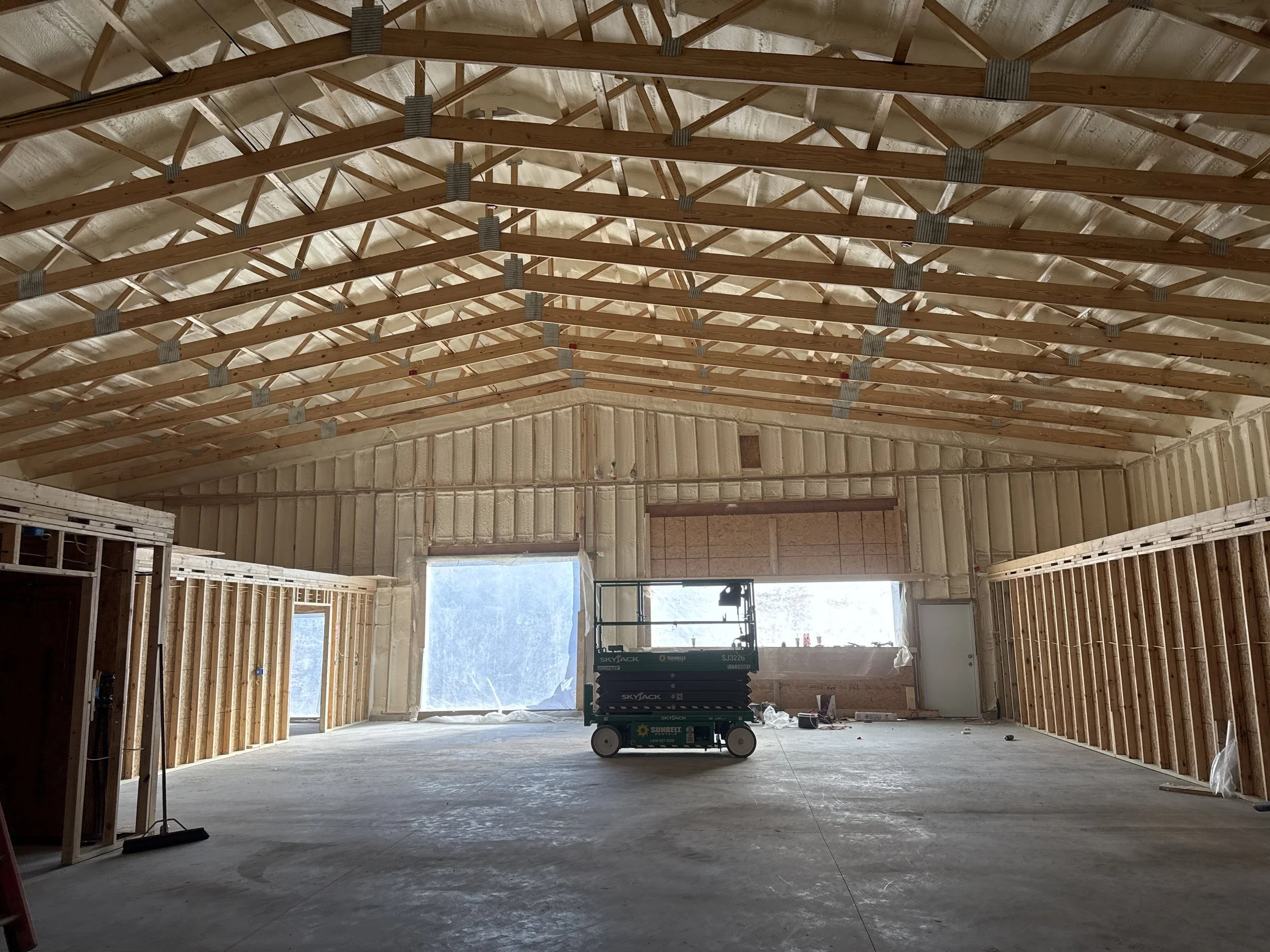
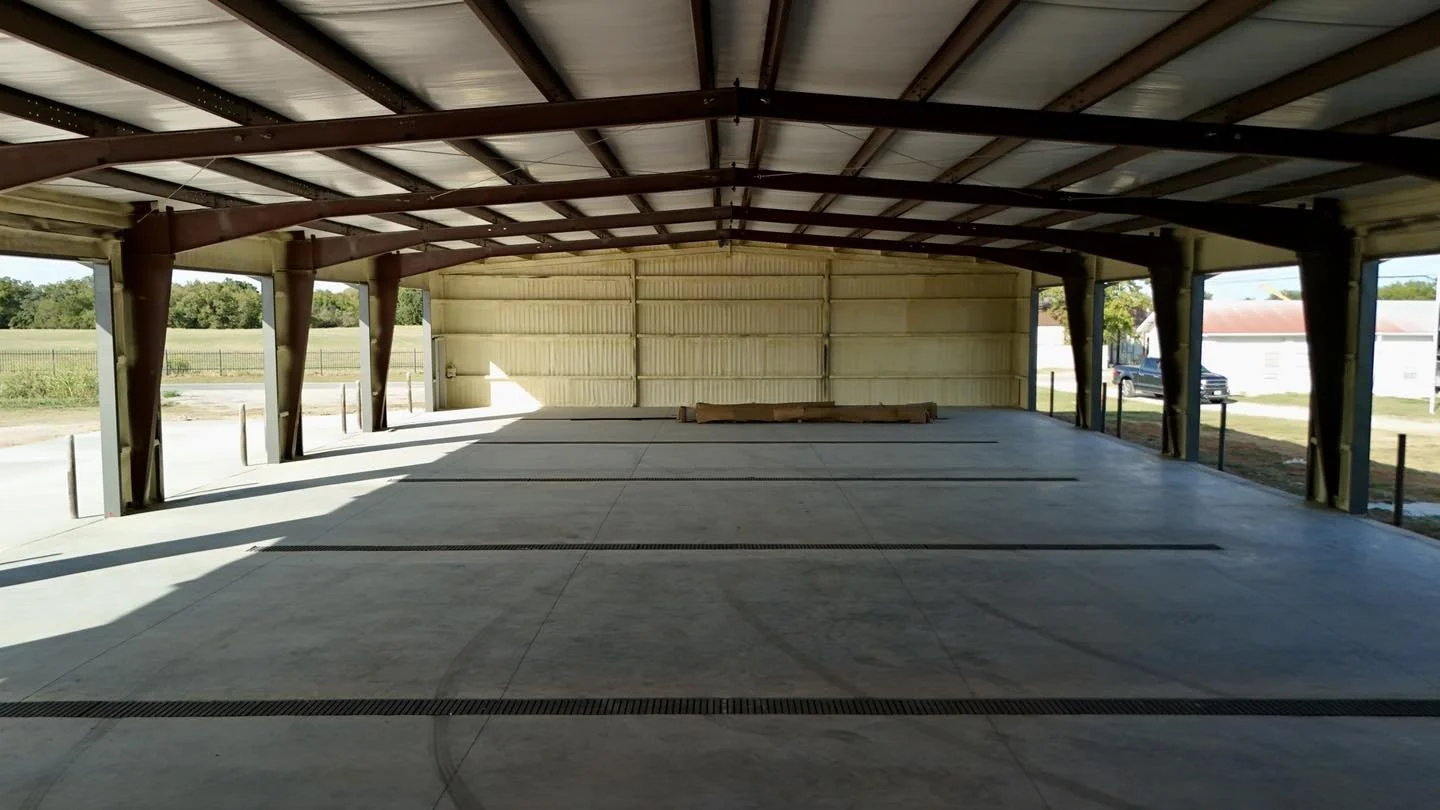
Superior Foam insulation for home or business
Expert Foam Solutions
Expert Foam Solutions
Free Consultation with our insulation experts
Are you tired of dealing with fluctuating temperatures, skyrocketing energy bills, and annoying noise disturbances? Our team of insulation experts are here to help. Not sure which insulation service is right for you? Schedule your free consultation today.
Take the first step towards a more comfortable and efficient living or working space.
Apply today for Financing
With promotional financing from Synchrony you can enjoy your purchase from ELITE COATINGS and pay over time*.

FAQ’s
-
Closed cell spray foam insulation can lead to increased comfort by enhancing air quality and creating a more pleasant living environment.
This high-performance insulation type is a denser, more rigid version of spray foam insulation, offering superior air sealing and a high R-value per inch. Whether you’re insulating exterior walls, basements, crawl spaces, roofs, or attics, closed cell spray foam can be installed to provide a seamless, durable solution that delivers long-term energy savings and protection. Professional installation is crucial to ensure optimal performance and safety.
Additionally, closed cell spray foam insulation is highly suitable for residential and commercial applications, enhancing energy efficiency and comfort in various settings. Engaging and educating customers about the installation process, safety precautions, and chemical exposure is essential for making informed decisions and achieving the best results.
-
Open cell spray foam is made from two chemical components that mix and expand upon application, creating a soft, spongy structure filled with open pockets of air. These chemicals, specifically polyurethane and isocyanate, are crucial for the foam’s ability to expand up to 100 times its original volume, helping it reach tight spaces and irregular cavities with ease.
The process involves spraying the foam, which then expands significantly, filling gaps and providing a seamless layer of insulation. The foam effectively adheres to irregular surfaces during application, eliminating gaps and cracks. This expanded foam may need to be trimmed to achieve a flat finish.
Unlike closed cell foam, open cell insulation is more flexible and breathable, making it a great fit for interior applications where soundproofing, cost savings, and air sealing are more important than moisture resistance or structural reinforcement.
-
Yes, installing insulation might qualify you for government incentives, tax credits, or utility rebates. You could receive up to 30% of the cost back, up to $1,200, but this doesn’t cover installation costs. Eligible products include typical bulk insulation and products that reduce air leaks, given they have a Manufacturer’s Certification Statement. This can make insulation one of the most cost-effective home improvements.
-
The required insulation amount varies by location, climate zone, and your building’s age. Older buildings generally need more insulation. At Elite Coatings, we strive to get the R-value up to R49, which is far superior to what the rest of our competition and home builders do.
-
According to the Department of Energy, the best places to insulate your home are:
The attic,
The exterior walls,
The floors above unheated spaces, and
The foundation walls.
Insulating these areas can help improve the energy efficiency, comfort, and durability of your home.
However, the type and amount of insulation you need may vary depending on your climate, house design, and personal preference. You can use Energy.Gov's Home Energy Saver tool to get customized recommendations for your home.
You can also consult a professional insulation contractor to get an expert opinion and installation service. Would you like to schedule a free estimate?
-
Spray foam has been rated to have the highest efficiency and R-value when compared to other insulation (like batt fiberglass).
Furthermore, spray foam's intuitive design allows it to create an airtight seal even in tricky and problematic spaces. It has been proven to keep out air pollutants and help soundproof buildings.
Visit our blog to learn about spray foam's benefits and why its a great choice for your home.
-
Yes, spray foam insulation is considered flammable. No matter what a salesperson may try to convince you of, all foam plastic materials must be considered flammable in accordance with the IBC (international building code). However, it’s important to note that different manufacturers of spray foam insulation offer different levels of flammability.
-
When properly installed, spray foam should last 80-100 years (or the lifetime of your home, barn, or commercial building). Spray foam's long lifespan is due to its durability and resistance to chemical breakdown.
-
Spray Foam Insulation is commonly referred to as SPF (Spray Polyurethane Foam) and is comprised of two liquids: an “A” side and a “B” side. The “A” side of a spray polyurethane system is usually comprised of methylene diphenyl diisocyanate (MDI) and polymeric methylene diphenyl diisocyanate (pMDI). The “B” side is typically a blend of polyols, catalysts, blowing agent, flame retardant, and surfactant, although the chemical compounds vary per manufacturer. The “A” side & “B” side chemicals come in separate drums, and when combined, a chemical reaction forms the polyurethane spray foam.
Make it stand out.